
JFF 2026 Mumbai, 09: Shakkar-Bittersweet dose of great film-making
JFF 2026 Mumbai, 09: Shakkar-Bittersweet dose of great film-making
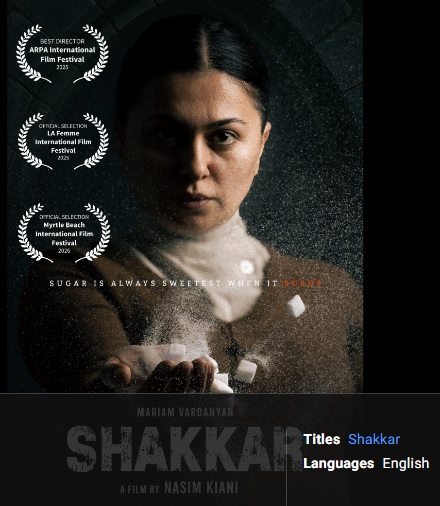
If I catch at least five films, at any International Film Festival, that leave me spellbound, I feel rewarded, no matter how many B and C grade films are showcased. At JFF 2026 Mumbai, I found Main Vaapas Aaunga, which I had missed on its release in June this year, The Thrift Store Dress, and Shakkar, which is half the length of Main Vaapas Aaunga, an emotional tsunami that wrenched my heart out. That makes three. Now, I will have to consult my viewed films’ list to see if there were two more.
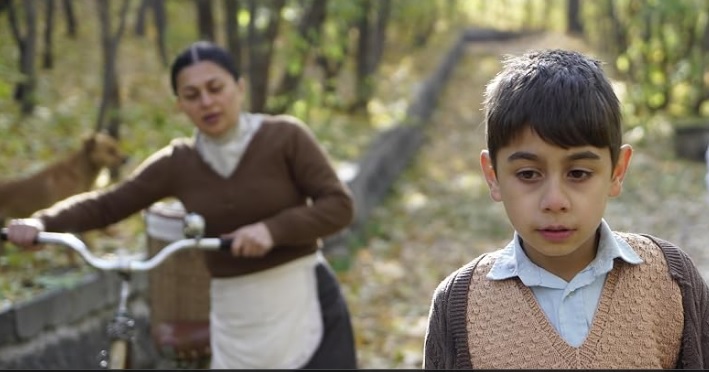
In Calmaco, a fictional town in Armenia, Shakkar (meaning sugar, in Persian, Urdu and Hindi), a grieving refugee woman, trapped in a loveless marriage, works in a laundry, collecting and delivering clothes to the customers, on a cycle. She is an embodiment of courtesy and sensitivity. During her trips, she forms a bond with one of the laundry’s clients, an acclaimed writer, who is very old and lives alone. She has read many of his works, and has liked them very much. One day, he does not answer, when she rings the bell of his house. She gets worried, and manages to climb on a ledge, to check if he is alright. To her horror, she finds him lying on the floor, unconscious. She calls for help from a hospital and the writer is saved. He remains eternally grateful to her
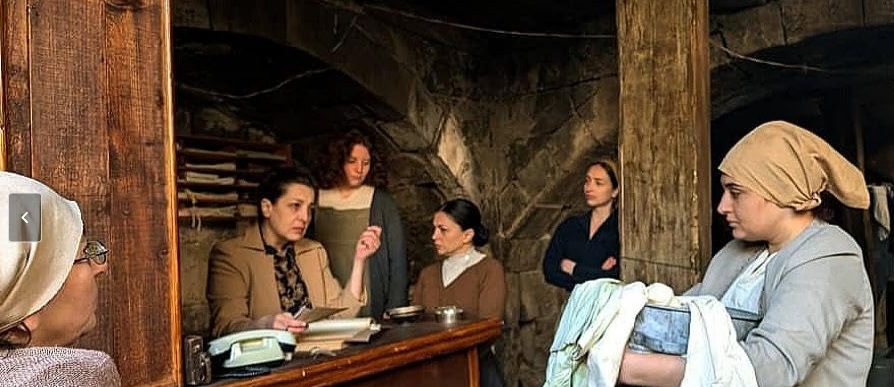
Her colleagues at the laundry are of the jealous type. They are always back-biting about her. The owner, though, is neutral. At one stage, the colleagues demand that the tips that Shakkar gets should be shared among all the workers. Shakkar agrees. Living just above the poverty line, she is charitable and philanthropic, all the same. Among the town-folk, there is a shoe-shop owner, who has a 10-year-old nephew, Ara. Ara is not sent to school, which bothers Shakkar. She meets him and tries to make him share his thoughts and grievances with her, but he speaks pretty little, merely nodding or shaking his head. One day, she buys him a popular cold beverage, which makes him very happy.
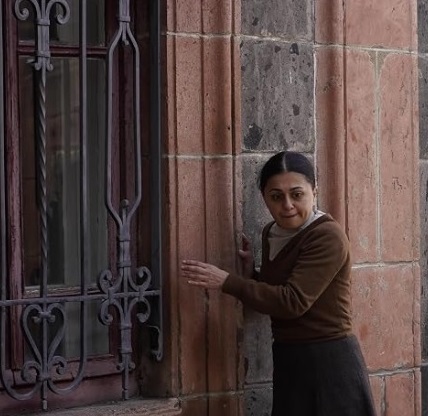
A few days later, she discovers that Ara is sent to the wife of the Mayor of the town by his uncle, who uses him for child sex abuse. She is shocked. Driven by a maternal bond, she risks everything to save him and give him a chance at a better life. She begs the shoe-shop owner, not to send Ara to the fat, old woman, but the shop-keeper throws her out. When she persists in her pleas, he agrees to stop the abuse and end Ara to school, if she can pay him a fat sum. Shakkar has very little money saved-up. But when she decides to use it as part of the payment to the shop-keeper, to liberate Ara. The money is missing, though. She confronts her husband, and he accepts being guilty of squandering the money. Heart-broken, she is desperate to raise the demanded sum somehow. When nothing works, she confronts the abusive woman, who tells her to get lost. Shakkar then threatens to complain to the police, but the woman is unaffected by this threat.
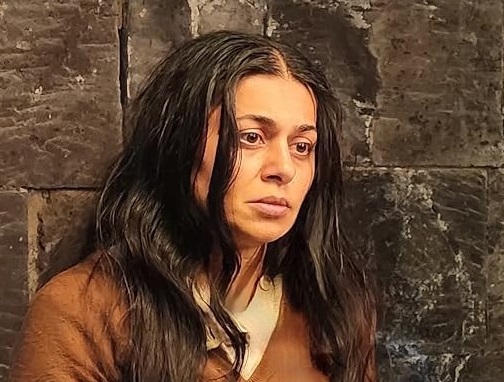
Shakkar goes to the police station, to complain against the shop-keeper, but the sergeant accuses her of involvement in the ‘crime’, and warns her to lay off, otherwise she would be prosecuted. He then calls the shop-keeper, warning him that Shakkar is trying to stop him from sending Ara to the woman. Suddenly, Shakkar finds two rays of hope. Firstly, the writer dies, leaving her some money. Secondly, she decides to prostitute herself to a man whose life is away. He gives her money. But the two-week deadline given to her by the shop-keeper is running out, and there is not enough money to pay the ransom.
A lawyer by profession, Nasim Kiani is a writer, director, and producer. She graduated with a Bachelor of Science in Film Production from The Los Angeles Film School. A migrated American-Iranian, Nasim spent years practicing law in Iran, eventually discovering that being a lawyer is not her true passion. After migrating to the US, she enrolled in Phoenix College, where one of her instructors discovered her as a storyteller. It was there that Nasim accepted she could no longer ignore her love for storytelling, as her grandmother had planted it in her mind when she was a child during the war in the bomb shelter. Then she decided to become a filmmaker. While at LAFS, Nasim wrote, directed, produced, and edited two feature scripts, seven short films, and one New Year’s show, which has brought her some awards, nominations, and screening on film festivals. She got her internship for the Cannes Film Festival with AMPAV in 2023, and the Academy Gold Rising internship program, production track, summer 2024. She shot her first feature film, Shakkar, right after the Academy Program graduation. She is the co-writer on this film, sharing the credit with Mariam Vardanyan and Arman Khorramak.
Coming from an Iranian writer-director, Nasim Kiani, this could be expected, but not every Iranian film rises to soar so high. Kiani represents all that is good in Iranian cinema, though the film was shot in the beautiful city Gyumri in Armenia. A taut, smooth screenplay, perfect casting and performances that are A class. Every actor lives his/her role. I am unable to identify the actors individually, but Mariam Vardanyan, the co-writer and the woman who plays the lead role of Shakkar, captures your heart, and keeps it in captivity, throughout the film. Awards should be coming her way soon. I am sure that, given bigger roles, the supporting cast would prove to be equally skilled at their art: Mehdi Bajestani (Osvald), Beno Movisisyan (Ara), Armen Greyg (Caesar), Anoush Arakelian (Azi), Mohammad Aghebati (Dado), and others. Supporting and voice cast: Seda Mkrtchyan (Sarah) and Jade Hykush (voice-over of the Judge at end).
Major contributions come from Ramin Kousha (composer), Masoud Amini Tirani (cinematographer), Hayedeh Safiyari (editor) and Morteza Farbod (art director). They package the film so neatly that you find it hard to believe that this is a fiction film, set in the fictitious town. Everything and everybody is so realistic
Film-makers do not often take to praising films of other directors, but here is one Iranian woman film-maker who is bowled over by Nasim Kinai’s Shakkar, a film which was financed with all of Nasim’s life’s savings, and puts it in writing.
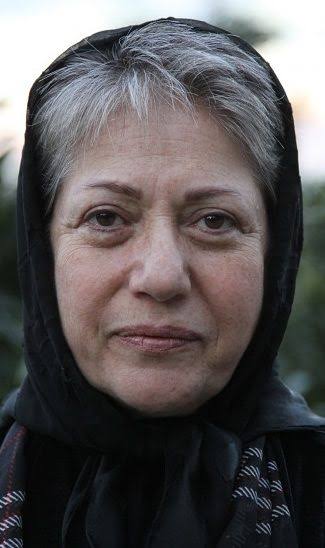
“Shakkar is a magnificent symbol of the essence of motherhood — the story, emotion, and courage of a woman who transcends the boundaries of her own life and connects with the core of human nature. It is a portrayal of the power of motherhood that goes beyond simply being a mother.
In her first feature, the film-maker, working with a team of seasoned cinema professionals, has managed to orchestrate all the elements with precision — directing the actors, production design, cinematography, editing, and more — like the harmonious notes of an orchestra, resulting in a cohesive and visually striking work. This marks a promising beginning for the young director of Shakkar.”
— Rakhshan Banietemad (Celebrated Voice of Iranian Cinema and Member of the Academy of Motion Picture Arts and Sciences (Oscars).
If you are humane and empathise with characters who define goodness in human beings, but are trampled over by the scum of the earth, at every stage of their lives, you better carry an entire pack of tissue paper when you watch this film. Shakkar is a highly depressing film, but upholds the finest qualities among us humans. It is a tale of supreme, selfless sacrifice, with one, tiny, sharp ray of light dispelling the gloom, a bittersweet dose of great film-making.
Rating: ****
Trailer: https://youtu.be/pYwbvuHa8WE


