INTERVIEW WITH PERUVIAN PRODUCER IVAN ORLIC
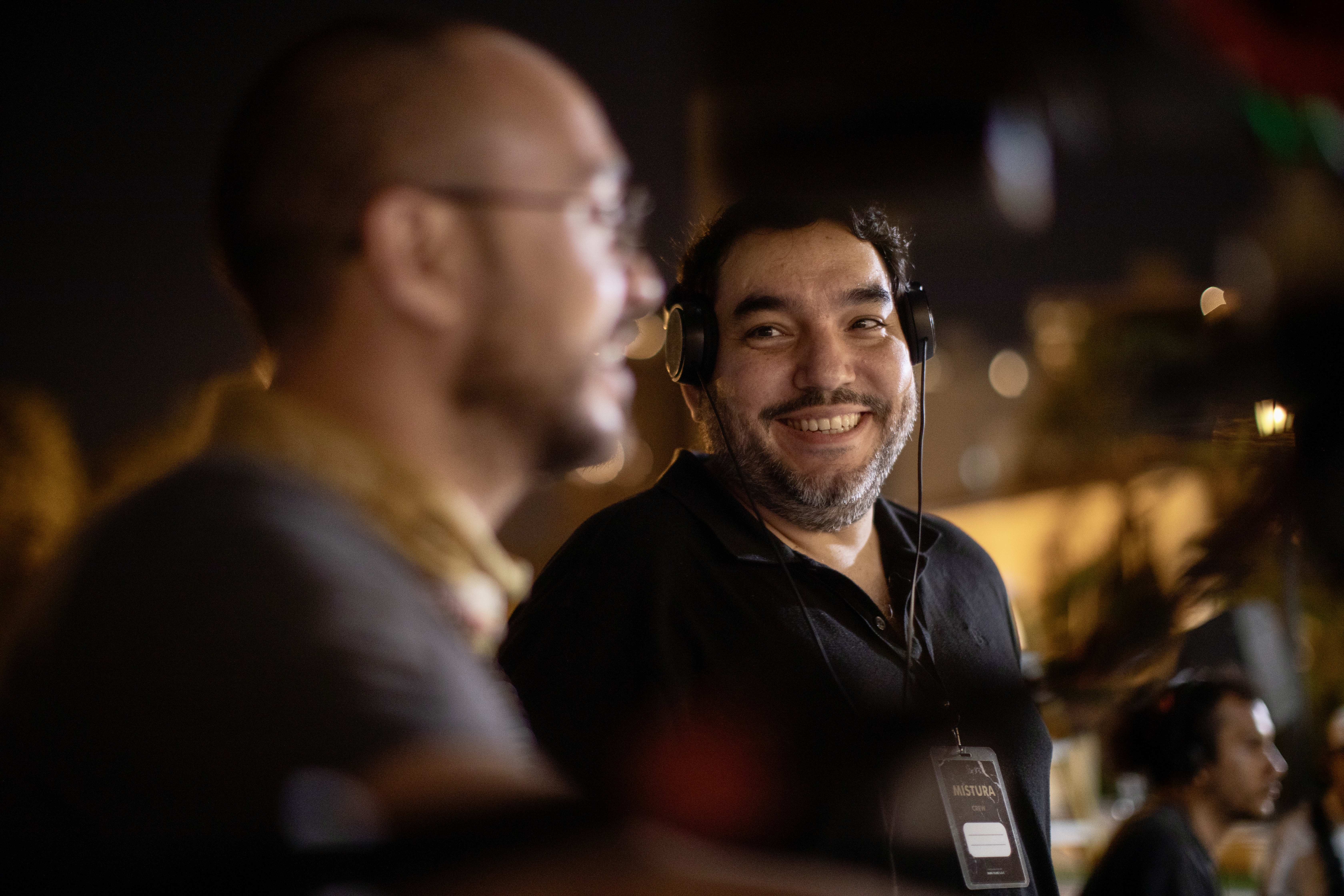
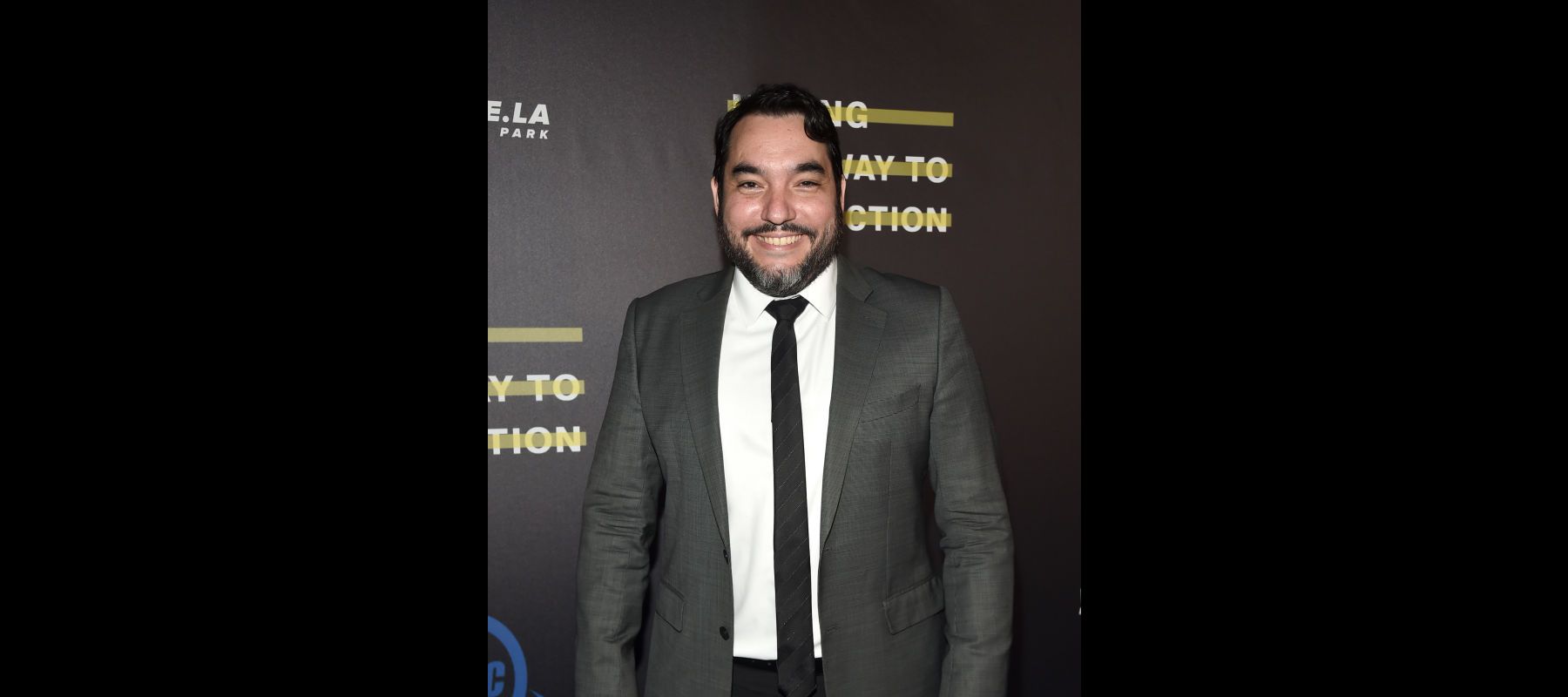
I met Los Angeles based Peruvian-Croatian Producer Ivan Orlic after his work on the film Pelé: Birth of a Legend, produced alongside Brian Grazer and Imagine Entertainment. Ivan is also known for his films La Cocina, directed by Alonso Ruizpalacios and starring Rooney Mara, his documentary Invisible Nation and his environmental documentary Eating Our Way to Extinction, narrated by Kate Winslet. His film Mistura is his latest and close to his heart having been filmed in his homeland of Peru. It premiered at the Mill Valley Film Festival in 2025 and went on to screen at Sonoma International Film Festival, Sunscreen Film Festival and many others. In a recent interview with the Ivan, here is what he had to say:
You’ve produced several projects. Did you always know you wanted to be a producer?
IVAN: Not at all. I grew up in Peru at a time when daily life was shaped by instability – power outages, water shortages. Filmmaking simply wasn’t part of the conversation. I first came to the U.S. in 2001 to study science and trained as an oceanographer, publishing original research and contributing to a couple of college-level textbooks. For years my path was clearly headed in a very different direction. It wasn’t until later, while I was studying in London at the LSE that I met someone who had consciously chosen storytelling as a life. That idea stayed with me. At a certain point, I realized I couldn’t ignore it anymore. I moved to Los Angeles and started again — studying, exploring, and building a new path. Looking back, it doesn’t feel linear, but it does feel right.
What has been the most challenging project you’ve worked on?
IVAN: Every film is challenging in its own way, but one of the most defining experiences for me was working on Pelé: Birth of a Legend. It was early in my career, and I suddenly found myself part of a large-scale production in Brazil, working with Imagine Entertainment and helping tell the story of someone who means so much to so many people. It was also such a privilege to get to know Pelé personally — may he rest in peace. I remember the first time we watched the film together, he was moved to tears and explained that watching this film was the closest he had been to seeing his own father again since his passing. That kind of response puts everything into perspective. It reminds you of the power of film and that beyond the logistics and the scale, what we’re really working with is emotion.
What inspired you to make Mistura?
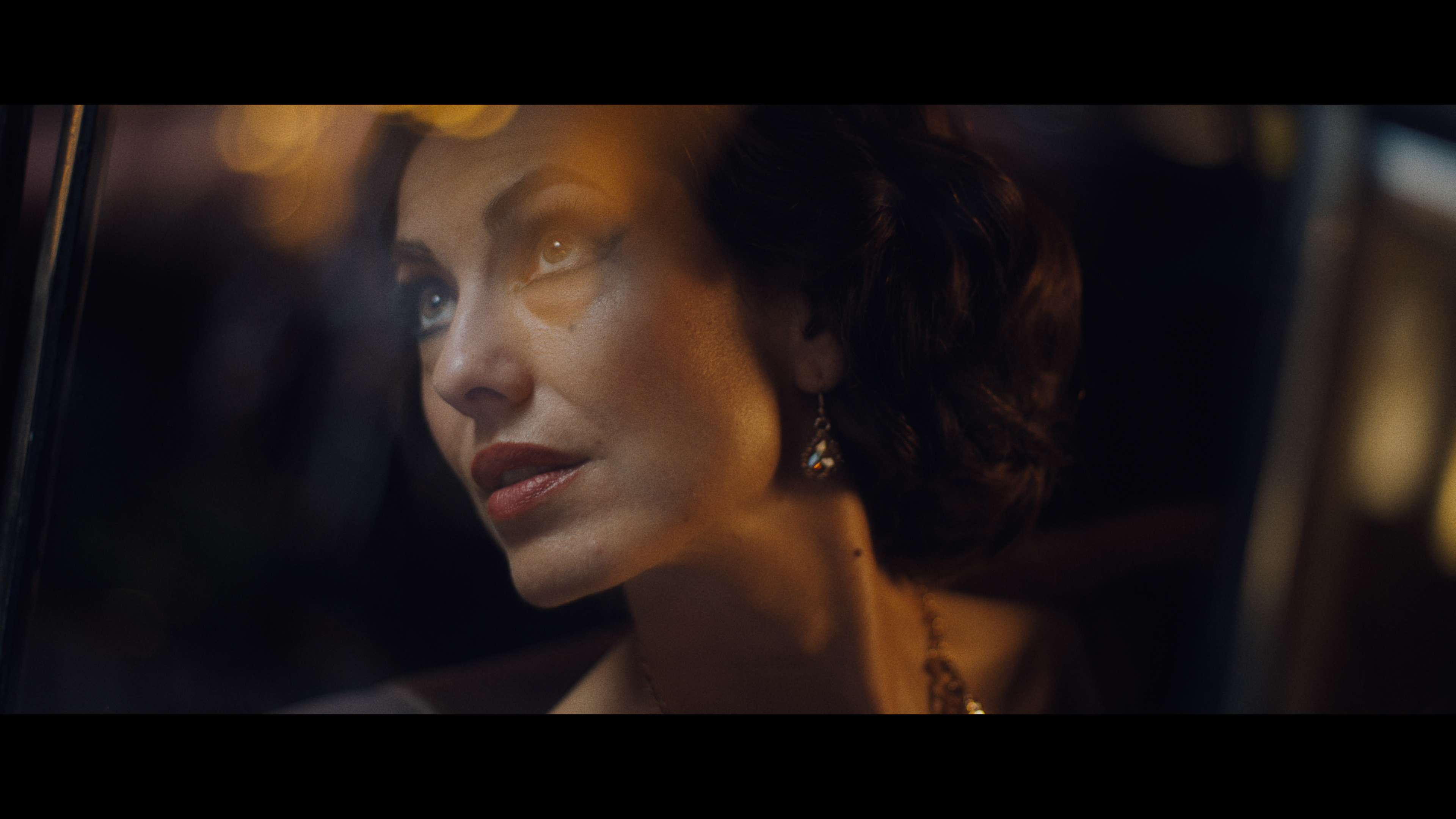
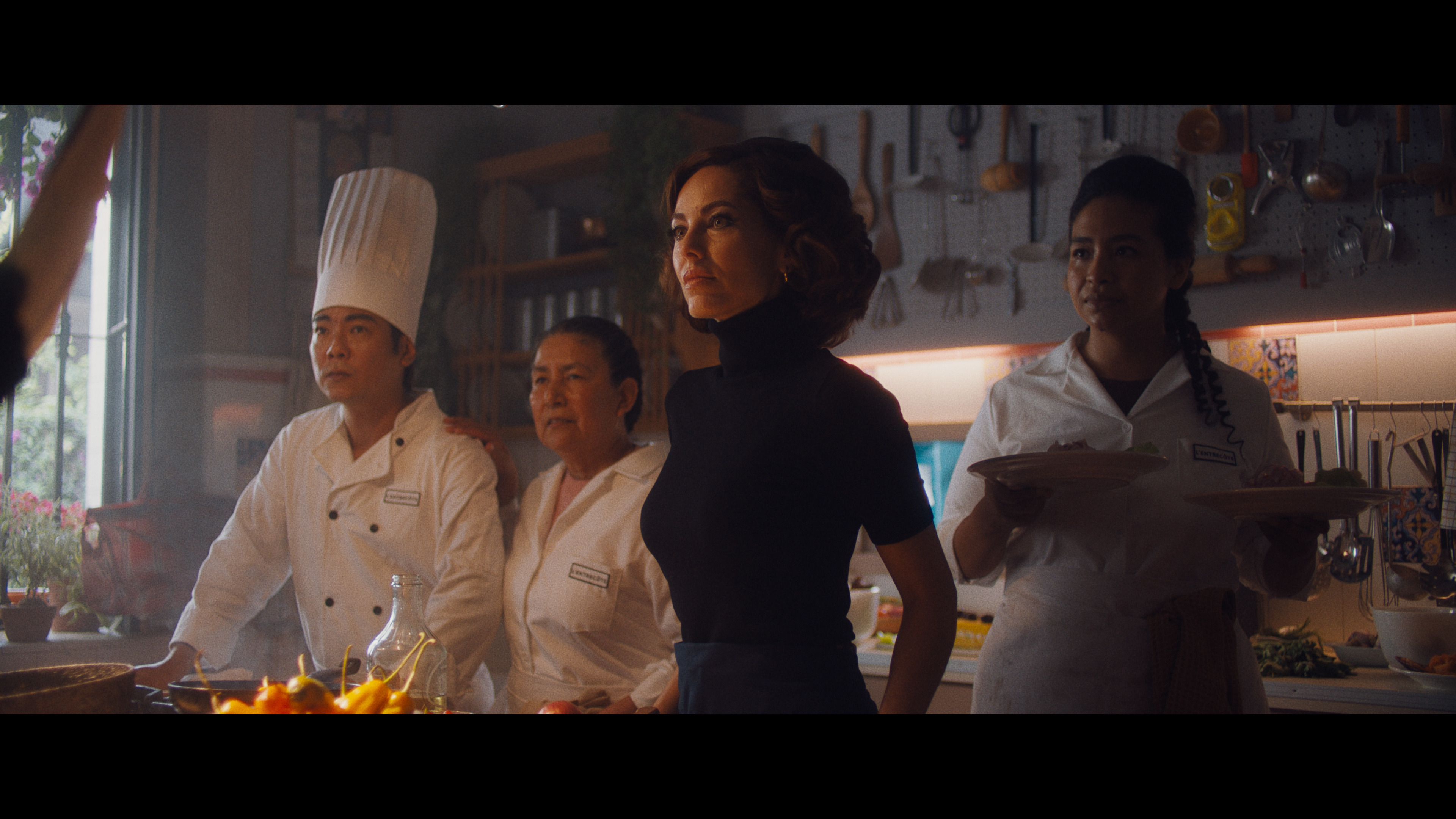
IVAN: Mistura was an opportunity to reconnect with where I come from — not just geographically, but emotionally. It’s my first film shot entirely in Peru, in Spanish, and the first time I took on the role of sole producer, putting the financing together and carrying the project through development, production, and post. That level of responsibility meant staying very close to the process — working alongside writer- director Ricardo de Montreuil from the script, through production, and into the edit, where the film ultimately found its final shape. A film like this is the result of many people bringing their full selves to the work. Every department, every artist leaves something of who they are in it — and it would be a different film if any one of those contributions were missing or replaced. That collective authorship is what gives Mistura its identity, and it is fitting for a film that celebrates teamwork and diversity (and of course Peruvian food!).
Mistura recreates a very specific time and place. How did you approach building that world?
IVAN: We started with a strong foundation. Early on, I brought together a team of historians to build a detailed “bible” of Lima in 1965, which became a shared reference point for the entire production. From there, it was about working closely with each department to translate that foundation into something tangible. Our cinematographer Nicolás Wong, production designer Mario Frías, costume designer Leslie Hinojosa, and hair and makeup designer Laura Quijandría, among others, brought incredible specificity and texture to the world. We also pushed certain boundaries. This was the first film in Peru to work with a dedicated food stylist, Paola Marsano, and the first to incorporate virtual production, in collaboration with La Escena Virtual. And thanks to Panavision’s flexibility in supporting independent film, we were even able to bring to Peru the most extensive camera package ever used in our country. But ultimately, what defines the film is not any one element — it’s the accumulation of all those contributions coming together.
You’ve worked in several countries, across three continents. Tell us about your production experience in Peru.
IVAN: Producing Mistura in Peru was one of the most meaningful and demanding experiences of my career. My closest collaborator on the ground was producer Enid Campos, who was an incredible partner throughout. She and her team were essential in bringing something of this scale to life. We were also fortunate to have Casa García Alvarado as our main location and production hub, which gave the film a level of authenticity that would have been very difficult to recreate elsewhere. What stood out most was the level of ownership across the team. People weren’t just doing their jobs — they were deeply invested in the film, and that makes all the difference.
Tell us about the cast and performances in the film.
IVAN: Our lead actress, Bárbara Mori, brought an extraordinary level of commitment to the role, including working closely with an accent coach to develop a very specific, period-accurate Lima accent. Her performance is remarkable. Our co-lead, César Ballumbrosio, delivered something truly special in his first major acting role, drawing on his background as a musician to create a presence that feels both natural and earned on screen. There were also meaningful personal moments, like working with Isabel Chappell, who had been part of an acting workshop I produced about 15 years ago, and joined our cast but also was instrumental in collaborating with César as his acting coach. Seeing that come full circle
was incredibly rewarding. And we were surrounded by an exceptional ensemble, including Christian Meier, Stefano Meier, Marco Zunino, Vanessa Saba, and Hermelinda Luján. Christian Meier was not only fantastic in the film but also a true partner throughout the process as an executive producer.
Music plays a strong role in the film. Can you talk about that collaboration?
IVAN: Music was essential in shaping the emotional tone of the film. Our composer Timothy Williams created a score that moves with the story rather than imposing itself on it. Additional tracks were produced by Justin Moshkevich, who also mixed the score, while re-recording mixer Cameron Frankley helped shape the film’s final sound. A particularly special element is the involvement of legendary Peruvian percussionist Alex Acuña, whose contribution brought a unique cultural texture to the film.
Mistura has had a strong festival journey. How important have film festivals been?
IVAN: Film festivals are essential to independent cinema. They’re where a film first meets its audience, and where it begins to build momentum — both creatively and commercially. We were honored to premiere at the Mill Valley Film Festival, which was a very special launch for the film. From there, screenings at the Festival Internacional de Cine de Morelia and the Lima Film Festival allowed it to continue finding its audience. I was very hands-on throughout that process, and seeing the film resonate across different places and cultures has been incredibly rewarding.
The film had a strong theatrical release in Peru. What did that experience mean to you?
IVAN: It meant a great deal. Sharing the film in Peru brings a different level of vulnerability — you’re presenting something personal to the people who understand it most deeply. We were fortunate to partner with Cinecolor on a wide theatrical release, which allowed the film to reach audiences across the country at scale, opening in virtually every cinema in Peru. I’ll always be grateful for the support of PromPerú and Film in Peru throughout the process. What stayed with me most, though, was the audience response. Experiencing those moments in theaters — the connection, the emotion — is something I’ll carry with me for a long time.
What can audiences expect from the international release?
IVAN: International distribution is always a challenge, particularly for an independent drama from a smaller market. It requires persistence and close collaboration with our sales partners to bring the right opportunities together. It’s been incredibly rewarding to see how strongly the film has already resonated — with over three dozen festival screenings across North America, virtually all of them having been sold out, along with multiple Best Feature recognitions and Audience Awards. During our theatrical run in Peru, it was really moving to see standing ovations across commercial cinema venues. And we expect that connection with the audience to continue as the film reaches wider audiences through its commercial releases internationally. Starting with the upcoming US theatrical release April 24 th.
What will you be working on next?
IVAN: Right now, my focus is on supporting Mistura as it continues its international journey. At the same time, I’m developing a few projects that I’m really excited about and look forward to sharing once they come together. Updates on upcoming projects will be shared via @seinepictures on social media.
ABOUT IVAN ORLIC:
Ivan Orlic is a Peruvian-Croatian film producer based in Los Angeles and the founder of Seine Pictures. His work spans continents and genres — from the Brazilian-set epic Pelé: Birth of a Legend, produced alongside Brian Grazer and Imagine Entertainment, to La Cocina, directed by Alonso Ruizpalacios and starring Rooney Mara, which premiered in competition at the Berlinale and won five Ariel Awards in 2025.
His documentary Invisible Nation — a portrait of Taiwan’s democracy featuring its first woman president — received the 2024 Cinema for Peace Prize in Berlin and became one of the highest-grossing films of 2025 at the Taiwanese box office. His environmental documentary Eating Our Way to Extinction, narrated by Kate Winslet, won the Environmental Media Award for Best Documentary in 2022.
Across more than a decade and eleven features, Orlic has collaborated with producers including Sam Raimi, Brian Grazer, Glen Basner, and Ted Hope, and with actors including Sir Ben Kingsley, Greg Kinnear, J.K. Simmons, and Kelsey Grammer. His most recent film, Mistura — his first set entirely in Peru, and the first on which he served as sole producer from development through post — premiered at the Mill Valley Film Festival and opened theatrically across Peru. Orlic is a guest lecturer at UCLA and a speaker and mentor at international industry forum.
Interview by Vanessa McMahon