
ATOMIC BOMB FILMS IN BERLIN 2016 - FOUR HIGHLIGHTS
During 5 days - from September 28th to October 2nd - the International Uranium Film Festival screened in Berlin's KulturBrauerei in Prenzlauer Berg 22 atomic films from 10 countries in the presence of the filmmakers.
This year in Berlin the Algerian film director Larbi Benchiha(link is external) presented his new documentary "Greetings from Mururoa"(link is external) (Bons baisers de Moruroa) that moved the audience. "No doubt: It was one the highlights of the 2016 Uranium Film Festival in Berlin", says festival's general director Norbert G. Suchanek.The topic of this film deals with the nuclear weapon tests that took place between 1966-1996 in French Polynesia.
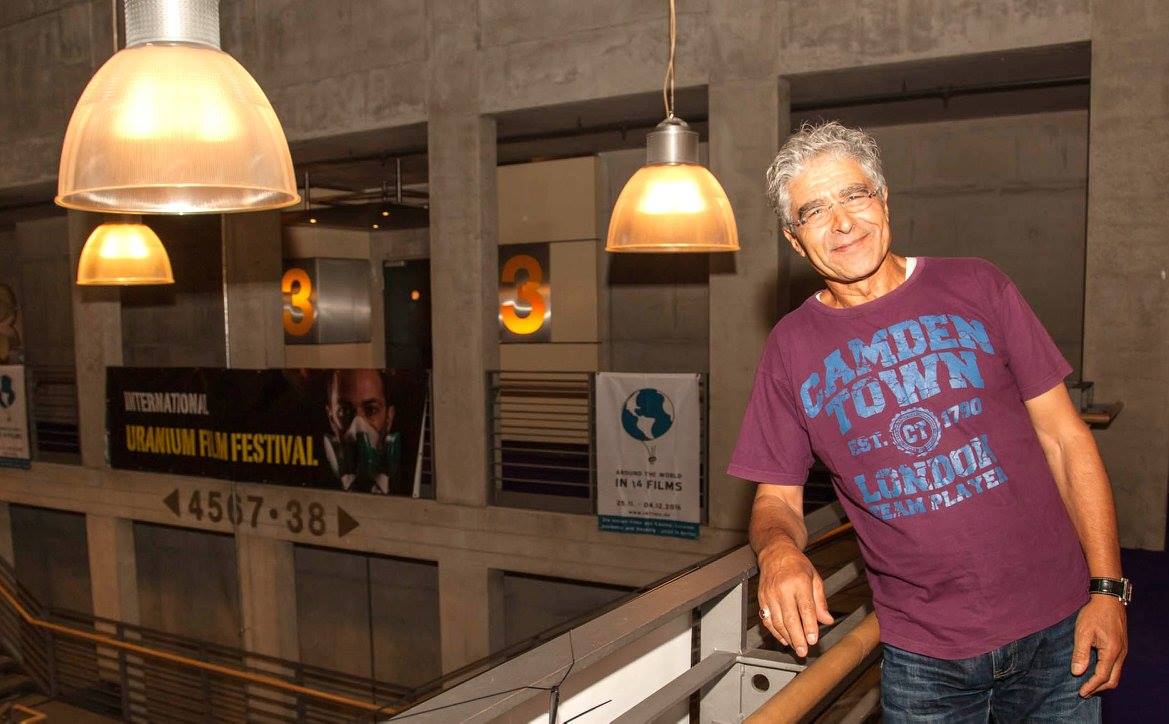 "Benchiha provides the viewer a touching view in the personal stories of the veterans and the Polynesian inhabitants who lived there during those tests. Through their perception we learn what really happened there and the immense consequences it brought them today and also in a broader sense; the entire world. How a beautiful spot in the southern Pacific Ocean irreversible changed into a horrid nightmare because of nuclear technology and its devastating power", explains filmmaker and visual artists Tineke van Veen(link is external) who attended the Uranium Film Festival in Berlin and presented her also impressive work about Fukushima.
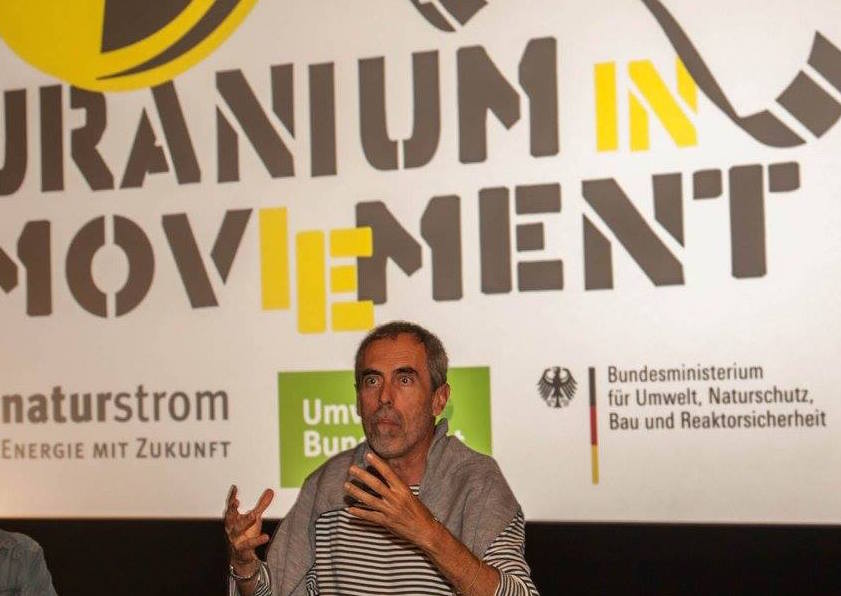
Tineke van Veen(link is external): "Larbi Benchiha has done a great job by giving these victims a voice and a face. His film varies with interviews and archival material, such as personal footage from the veterans. These 8mm videos appear very innocent of the situation in French Polynesia, but simultaneously we learn that the officials were well aware of the terrible effects of these nuclear tests. It is a documentary with a huge impact – a forgotten story that must be told to prevent and warn the future generations about nuclear power and technology."
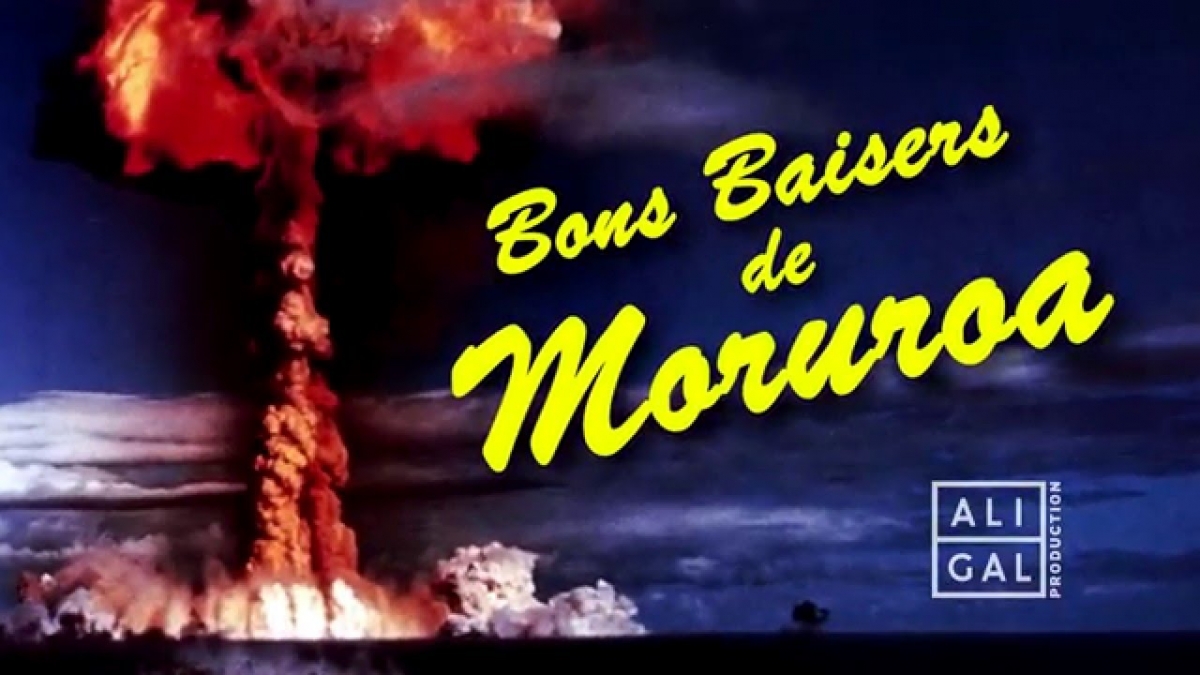 Uranium Film Festival director Norbert Suchanek is confident that "Greetings from Mururoa" (Bons baisers de Moruroa) has a good chance to win the festival´s Yellow Einstein award as best feature documentary in the next year, 2017.
Another candidate for one of the Uranium Film Festival's Yellow Einstein Awards 2017 is "The Idealist"(link is external), a danish production by Christina Rosendahl, about another real "nuclear" horror story. On 21 January 1968, an American B-52 bomber crashed near Thule Air Base in Northwest Greenland. The plane carried four hydrogen bombs, three of which were recovered whilst the fourth bomb disappeared from the sea ice – and from all documents about the crash. Until a Danish journalist, Poul Brink, from a local radio station discovered that many of the Danish workers who were sent to Greenland as part of the clean-up operation, ‘Project Crested Ice’, had developed a range of skin diseases – including cancer. "This well done fiction based on facts and a terrific investigation has also a good chance to receive one of our Yellow Einstein Awards next year in Rio de Janeiro or Los Angeles (Hollywood)", says the Uranium Film Festival director.
The atomic bomb accident in Greenland happened exactly two years after a similar accident at the Southern coast of Spain (Almería). On January 17, 1966, a US B-52 bomber carrying four hydrogen bombs collided with a tanker plane over Spain. Both planes exploded, killing seven airmen and launching the four H-bombs into the sky. Three bombs dropped on the tomato farming village of Palomares. No nuclear explosion happened, but the impact detonated the explosive in two of the bombs, spreading plutonium for miles.
José Herrera Plaza's film about that terrible and nearly forgotten accident „Broken Arrow. Nuclear Accident in Palomares“(link is external) is clearly one of the must-see documentaries of the Uranium Film Festival that is now in its 6th year and has screened more than 300 films about nuclear issues around the globe. Filmmaker and book author José Herrera Plaza(link is external) presented his film this year in May at the Festival in Rio de Janeiro and now in Berlin.
Suchanek: "We try to convince him to present his incredible documentary also next year, 2017, in Hollywood." It is official fact that since 1950, the US has lost or dropped accidentally about 30 nuclear bombs. These nuclear weapon accidents are known as Broken Arrows.
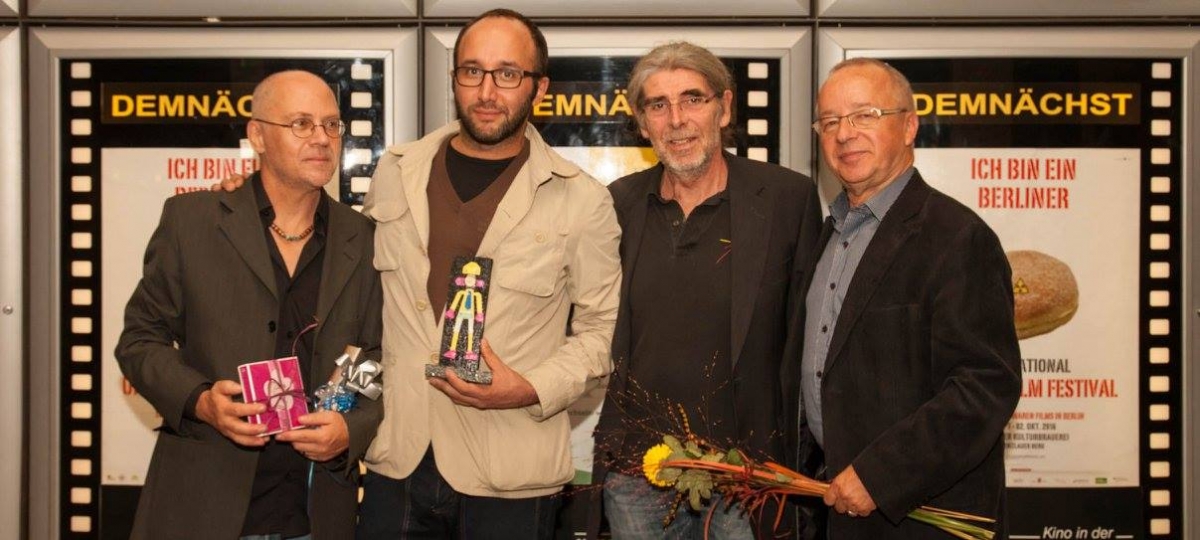
Highlight number four in Berlin was of course the award ceremony on the last festival day. Italian film director Matteo Gagliardi received the festival's Yellow Einstein Award for his exceptional feature documentary "Fukushima. A Nuclear Story".(link is external)
Contact:
International Uranium Film Festival
www.uraniumfilmfestival.org
info@uraniumfilmfestival.org


