WHITENESS
WHITENESS
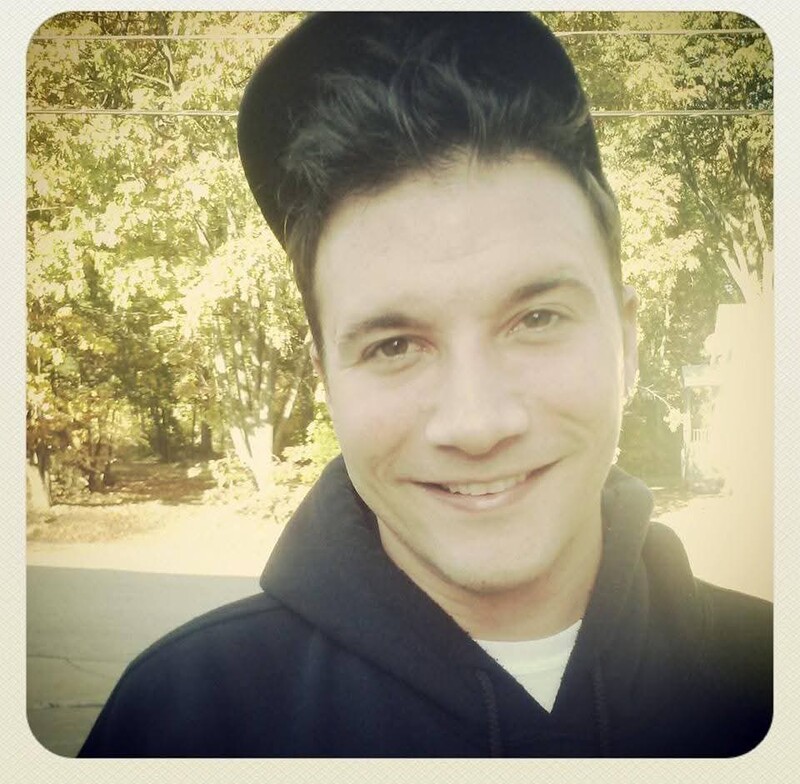
Interview with director/writer: Alessio Cappelleti
by Emmanuel Itier
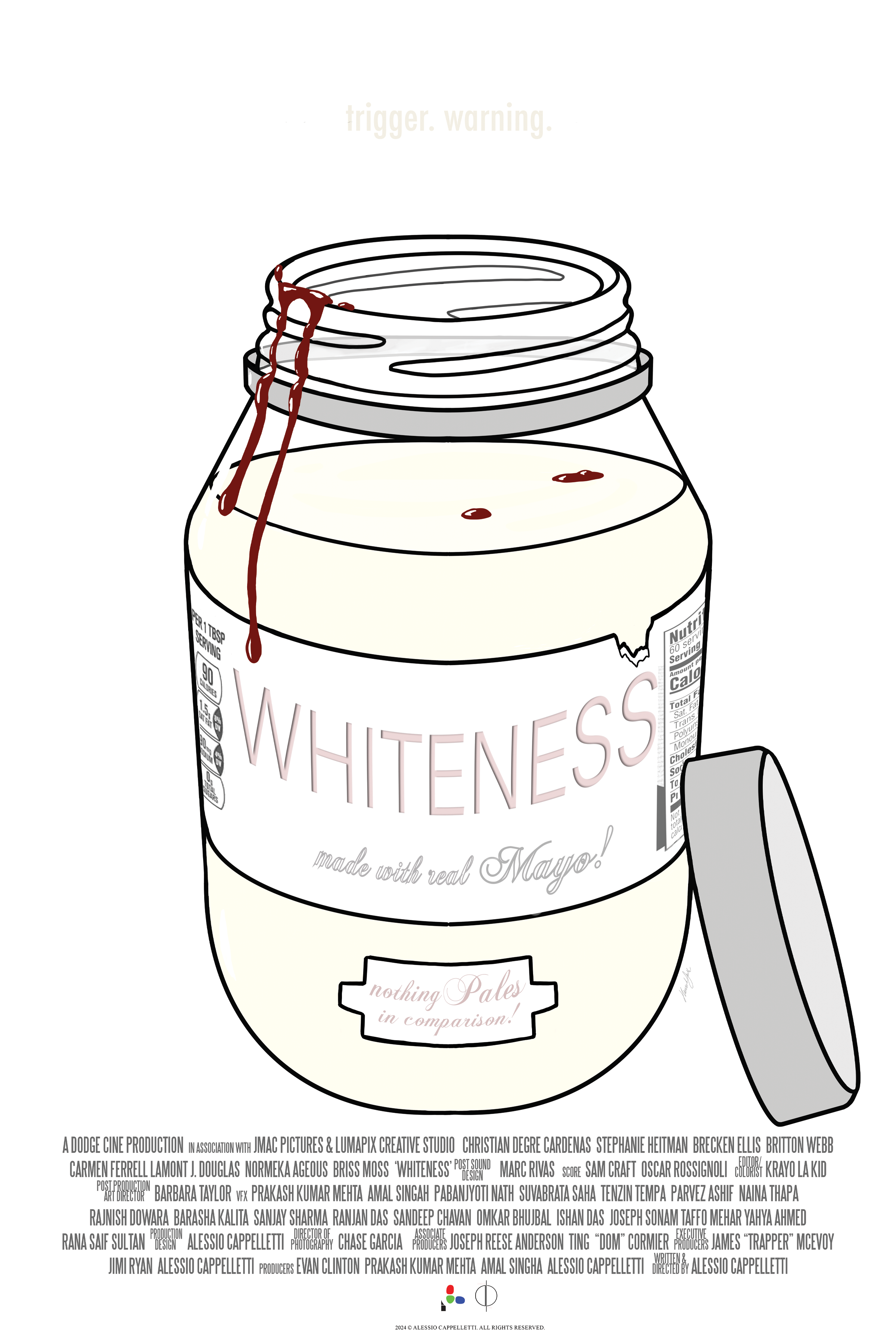
“Whiteness”, written and directed by talented Alessio Cappelleti was screened at the legendary Raindance Film Festival in London. Proof this is such a great film, meaningful and impactful, that everyone needs to see. ‘Whiteness’ is a unique cinematographic experience as the film combines original narrative filmmaking with historical recontextualization, animation, satire, horror and experimental storytelling. Truly a “tour de force” by maverick Alessio Cappelleti who has a bright future in front of him. Between two festivals we were lucky to catch up with Alessio:
Q: Tell us a bit more about your film?
Alessio: When I started writing this project there was a lot of things happening in the U.S. There was and there is still lot of uncertainty. I wanted to show how the story of race is shaped in media through facts, through stereotypes, through propaganda. That’s the inspiration behind making this movie.
Q: When you show this film to an audience, what type of feedback do you get?
Alessio: It seems like everyone watching this film, love it. The audience laughs at the right moment, chocks at the right moment. They seem to take a lot from our film. I get so many compliments about my film, it humbles me.
Q: Did making this film teach you something, change your point of view on this subject?
Alessio: I don’t think going into making this film that I had a different point of view from the mass populus. And yet I went making the film and having an agenda, not about what whiteness is, but what do we do about it. I wanted to explore questions, ideas, concerns, nightmares and all these things. I wanted to create something that was thoughts provoking. My perspective didn’t really change. But I have to say I was moaning certain aspects of “whiteness”. Aspects of whiteness that are affected by people being also human. Not looking at monsters versus non monsters. I saw some of the human element in there, the human fault in there.
Q: What types of challenges did you face making this film?
Alessio: What is amazing is how prepared we were and how we had to throw down the window that preparation when came the first day of shooting. We had some many issues that first day, technical, environmental. It was crazy. It forced us to change our shooting schedule. It didn’t affect the visual quality of the film which I think stands out. But it did teach me that the reason you do privies is not necessarily to execute those things but it’s to know what you are doing well enough that you can improvise when things go wrong or things change. We were shooting in Southern Louisiana and it’s quite warm in December. Well, one day we came to the set which was a field, and it was frozen. It was a problem because we need to dig holes in the ground. We got delayed a few hours to figure out what to do. Also, during post-production we run into a few tragedies. Some peoples loved one passed away. It happened to 3 or 4 of us.
Q: Ultimately what is the takeaway of your film? What do you hope people get from watching it?
Alessio: I hope it sparks conversations. I hope we can laugh at certain stereotypes regarding whiteness especially the aristocracy. I hope it helps us look at the Past and to realize that there are elements of the Past that are not so far away; some of these elements are still in play. Some of these elements we need to question. If we don’t want the past to repeat, we need to be able to course correct. I really just want people to have conversations.