THE LAST PUESTERO: SUCH AN ADVENTURE!
THE LAST PUESTERO
At SBIFF 2026
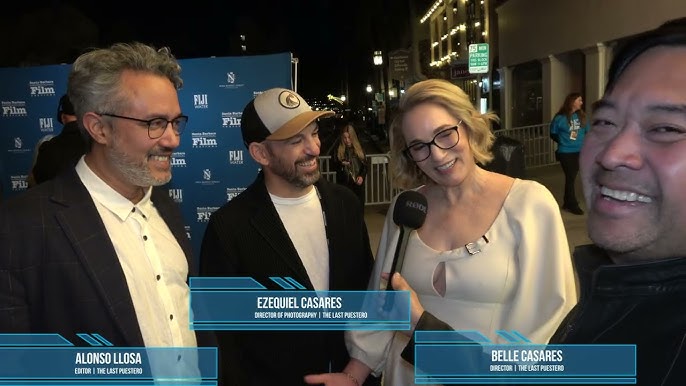
Interview with director: Belle Caseres
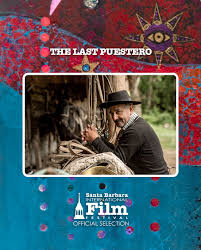
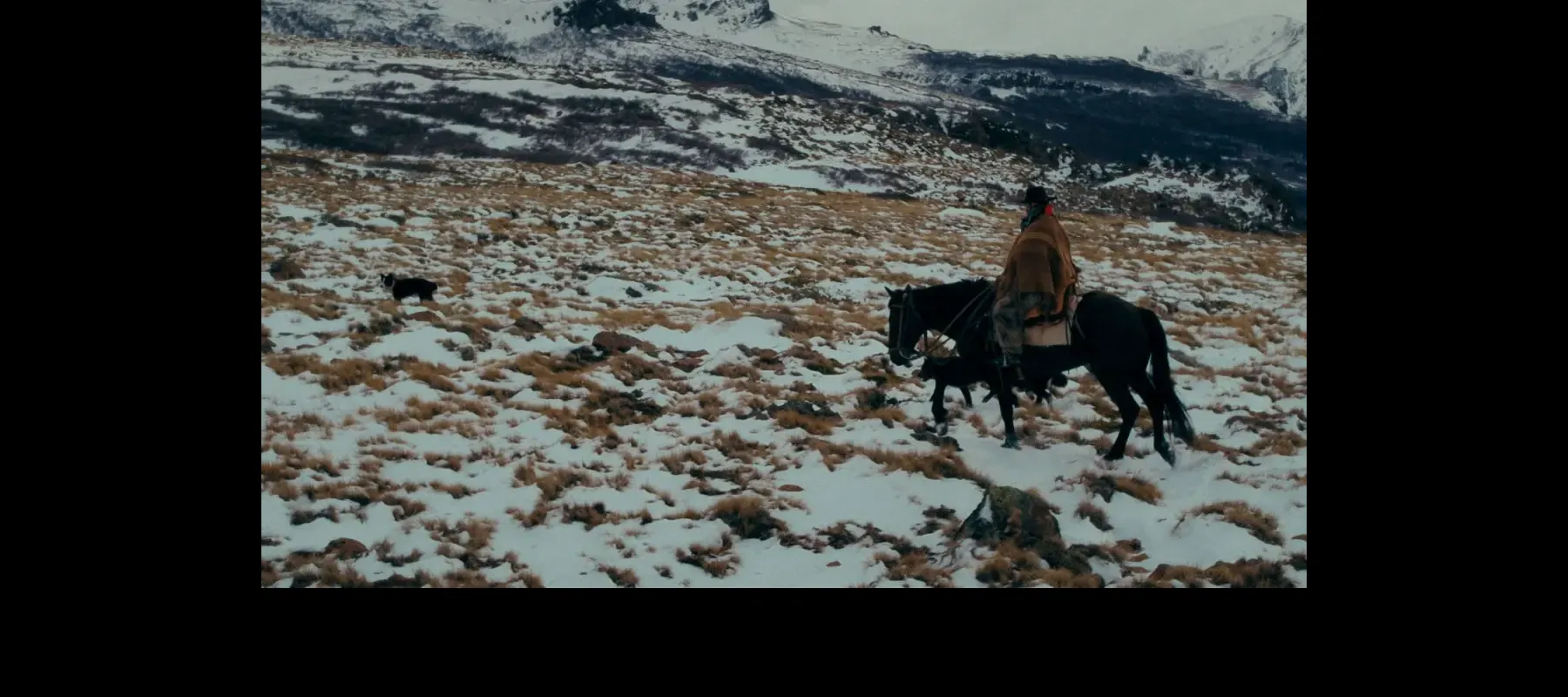
Making its US Premiere at SBIFF, in the Documentary shorts section, was the impressive film, ‘The Last Puestero’ (https://www.thelastpuestero.com ) by talented filmmaker Belle Caseres. It tells the story of Adonai Jara, a gaucho - or Argentine cowboy- who spends most of his days alone in a remote Patagonian ranch outpost, protecting cattle from poachers and pumas. As he hopes his son will carry on the Puestero tradition, he faces the painful reality that changing times may bring an end to this way of life. It is a truly moving intimate portrait at life in these remote areas and where the notion of family is central to the survival of a linage of the last gauchos in Argentina. Not only Belle captures the gorgeous beauty of this unique journey, but she knows to also encapsulate the human soul torn between tradition and life’s natural evolution.
Q: What was the inspiration for this film and what were you trying to achieve with it?
Belle: Well, I’m born American, but I spent lots of time in Argentina. I met the protagonist of my film, Adonai Jara, when we were visiting friends in Pantagonia, Argentina, which is where my husband is from. When we got there, to the ranch, I kept hearing stories about these mythical gaucho cowboys. They lived hours away and we could only get to them by horses. They can read nature as if it’s a book. I have always been fascinated with connection with nature. As a child I believe I had powers to know what animals were feeling. I’m fascinated by nature. To make it short it took us three hours’ drive to get to meet Adonai in the wilderness of Patagonia and we killed our car getting there! He was truly living in the middle of nowhere with no electricity and just a creek, nearby, for his water. At the time he even didn’t have a generator. He was living there by himself, weeks at a time. Everyone respected him so much because he was able to truly understand and predict nature. He could read the tracks of any animals, like mountain lions or pumas. It was as if we were stepping back in time with him. He was so self-reliant in spite of having no infrastructure or any technologies. He would make his own saddles from the leather he would get from the deer he would hunt. And from the sheep he would make his own jacket and belts and everything. He was very proud of his culture in the hope his son would follow in his footsteps. But veery few kids want to live in the middle of nowhere doing that type of job and where there are no cell phone and no people! It was interesting to me because I feel all these traditions and cultural specifies are about to disappear. Also, his wife is a weaver, and all of these amazing people are going to disappear because nobody wants to do what there are doing anymore. At first his son, when we were filming wanted to become like his father, but then things changed, and the son realized this was not what he had in mind for his life. For me it was important to record all of this moment because I felt this was all going to disappear sooner than later.
Q: Tell me about the challenges to put this film together?
Belle: Shooting in the wintertime where he lives was truly challenging. There were so little infrastructure and the only way we could get there was by helicopter! Also, at first, his family was extremely shy and therefore it was challenging to film them at first. At first, they did not want to be interviewed or bothered. The first time we tried to interview his son his almost fainted! But by the end of filming his wife and son volunteered to be interviewed, which is a blessing. So, to get their trust to really share was quite a challenge.
Q: What do you think is the takeaway with your film? What do you hope people get, learn from watching your film?
Belle: When things change there are things we are losing. Such as the connection with nature. I really feel we all lost connection with nature. And I think this is a sad thing, and this is huge. Also, I hope we learn to appreciate more every different culture.
Q: Being at the Santa Barbara International Film Festival, what does it mean? any expectation?
Belle: This is the first doc I directed, and I was so surprised and so happy to be selected at SBIFF. So many people didn’t understand what I was trying to achieve. So, I’m so happypeople can discover this film and to learn something they don’t know about. I’m so honored to be at SBIFF.
By: Emmanuel ITIIER