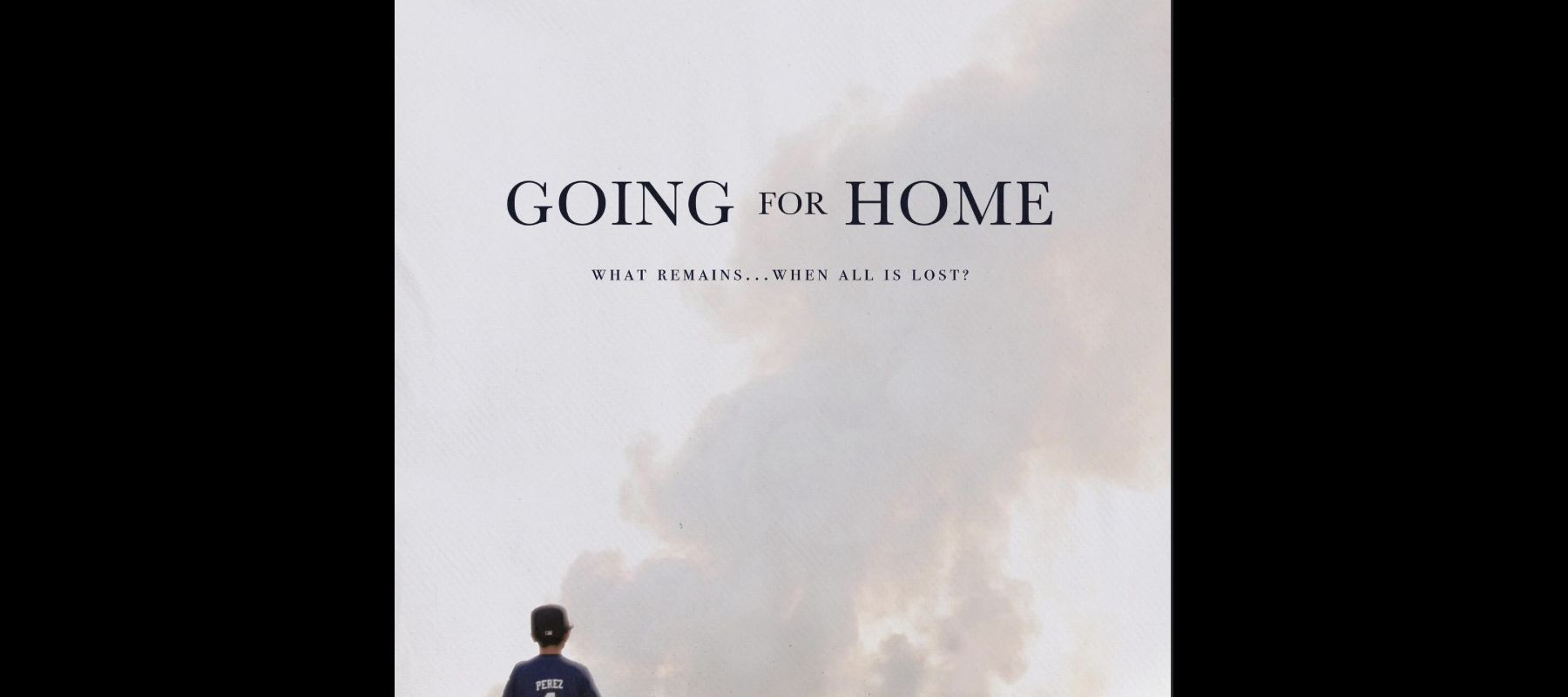

GOING FOR HOME at SBIFF 2026
GOING FOR HOME
SBIFF 2026
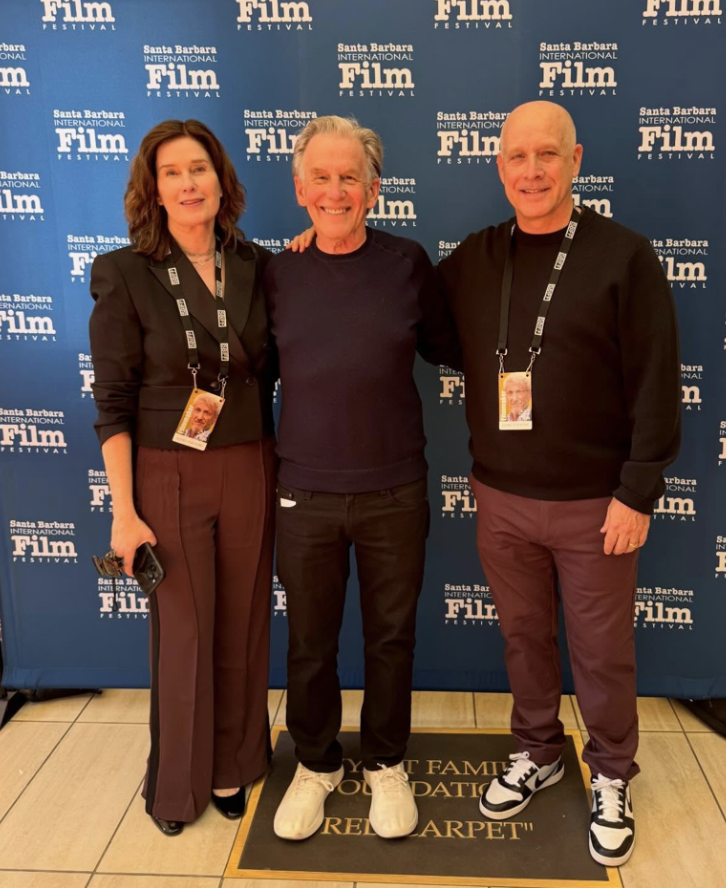
Interview with Director: Eric Simonson.
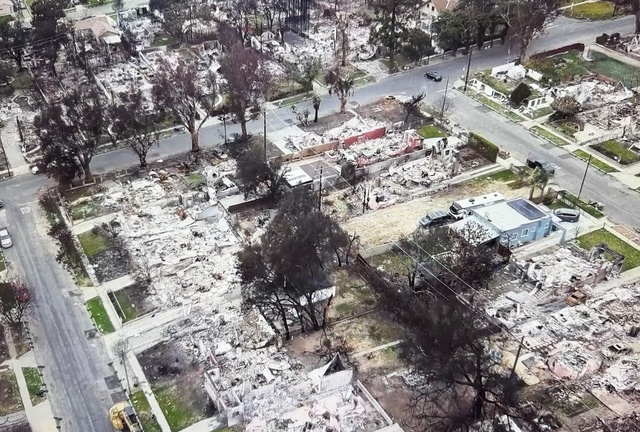
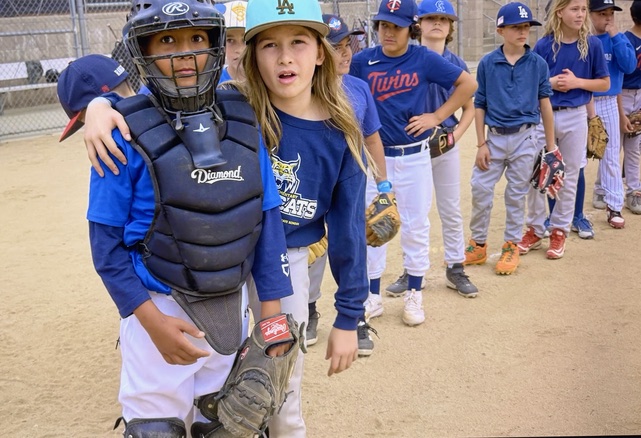
A feature documentary GOING FOR HOME , from Oscar Winner Eric Simonson took by surprise the Santa Barbara International film festival. Probably because nobody expected a Doc about the Alta Dena fire tragedy, just about one year after the disastrous event, and because it’s also about baseball, and it can cause some smiles and tears on your face. Such an emotional roller coaster rides this film is! After the devastating Eaton Canyon fire leaves thousands of families displaced, a Little League team becomes an unlikely anchor—carrying a fractured community through loss, recovery, and an improbable season. The film shows the triumphant, redemptive, almost mystical power of baseball to heal, and celebrate courage, resilience, and teamwork: not just of the teams and the kids but of the entire community. This Documentary is an homage to the spirit of an entire town who refused to give up. Even so only 8 homes have been rebuilt from the almost 10,000 destroyed, this film shows, we, free human bad ass souls, never give up and we will, always, rebuild! I have several friends who lost it all, last year, and I’m in full support with them to keep their spirit up and to keep finding ways to kick back and claim for their Lives! This film is here to support them and help them rebuild their community. Praise to Eric Simonson!
Q: Tell me about the inspiration behind this film and what you were trying to achieve.
Eric: So, we live in Glendale, California, which is adjacent to Altadena where the Eaton fire occurred. My son went to school there and so we have a lot of friends who lived there. And my son played little league baseball. We were lucky we didn’t have to evacuate even so it was a close call. After the fire we learned the Altadena little league was going to proceed with their baseball season even so 90% of their families had lost their home and/or were displaced. We thought this would be a great documentary. It would be interesting to follow the various families and what they have been through and see how it all works out through this season. So, it was almost a year ago we started filming! There were 200 kids in 19 teams to follow and this was overwhelming! We were no sure who to follow or to follow what team was going to be the Champion. So, we ended up going to so many games and filming over 40 hours of film! And then we had to figure it out.
Q: Biggest challenges?
Eric: We had so many games to go to. I was close to 19 games we could attend. So, this was the main challenge to figure out where we are going and what are we filming. And then we had a time commitment to get all of our footage. Without mentioning financing which was and is always difficult to secure. And, of course, with 40 hours of footage it was a challenge to figure out the story we wanted to tell and how we wanted to inspire young kids about the Game.
Q: What is this film truly about?
Eric: It is truly about this rare, amazing community and how they all were so affected by this disaster. There is a line said by one of our subjects, like a metaphor from baseball: “you get on base, but you can’t get home by yourself.” You have to rely on others. To get a hit and push you to second base and then to third base to get home. We are telling a story about a baseball season but underneath all that we are telling a story about a community that just want to get home. And how that home is very special and specific. They don’t want to move anywhere else. Most of them want to rebuild. And there are challenges coming with that. But by coming together and working together, there is a future and there is always hope. This is the key message of our film: Hope.
Q: In what ways did this movie affect you, change you?
Eric: When you are watching this horrific disaster it’s very abstract. You’re not really connected to it. There are different levels of empathy. The first level is just seeing it and thinking how horrible this is for these people. But when you actually put yourself into this situation and you talk to people, you get to a different level of empathy. One of our subjects said: “one, we lost everything, and you don’t really think about that word “everything” until it becomes a reality. And everything is everything that you ever owned”. They lost everything. One person said “Hey, I need a can opener” to realize “Oh, I don’t have one anymore”. And on and on. And the same person said, “this was not just my house that burned down but my entire city burned down!” When you yourself in that situation it becomes totally different from just watching it on the news. So, I hope people, when they watch our film, can understand the tragedy these people face and are still facing. So many people already forgot this tragedy with all the other tragedies happening in the world. But these people are still in the middle of a tragedy and for the most part of them, nothing is resolved. Only 9 homes have been rebuilt out of 10,000! They are struggling and they are not heard. They are thankful for the first three months of help but after one year they are still houseless and or displaced.
Q: Being in a film festival like SBIFF, how did it help you and what’s coming next for your film?
Eric: Being seen is the key. Being here in Santa Barbara is huge for us because this is such a well-known and respected film festival in the World. Because of our selection here we got already some interest from other film festivals. It’s really hard to release a Doc these days and find a distributor. Unless it’s a “true crime” documentary it is hard to get the attention of any buyers, any streamers. I know it’s going to be hard, but we are doing it and we will find a distributor for our film.