
Coming Home from shadowland to spiritworld: the story!
LOGLINE:
After sacred land goes up for sale following 170 years of dispossession brought-on by
the California genocide of native peoples, Kashia Pomo tribal-elder (OTIS PARRISH) mentors a pair of young tribal members (MARTINA MORGAN and JERRY PINOLA) on a journey seeking coastal land return and self-recovery that inspires healing, spiritual revival, and a search for the truth about those tribal members gone missing and murdered.
SUMMARY:
Shot over a period of 14 years beginning in 2012 in a cinéma vérité style, Coming Home: From Shadowland to Spiritworld follows the story of the Kashia Band of Pomo Indians as they undertake an extraordinary effort to reclaim their ancestral lands on the Sonoma Coast after 170 years of displacement. Interweaving the liVle-known history of Russian colonization in California with a modern story of negotiation, diplomacy, and ceremony, the film shows how land repatriation becomes a powerful act of cultural renewal. The Kashia tell their own story without a third-party narrator as they confront the legacy of historical trauma—including generational loss and the ongoing impacts of colonialism—the return to their sacred places like Metini and Danaka reveals how restoring land can help restore identity, resilience, and community.
SYNOPSIS
The Kashia Band of Pomo Indians are a small tribe of approximately 1800 people whose
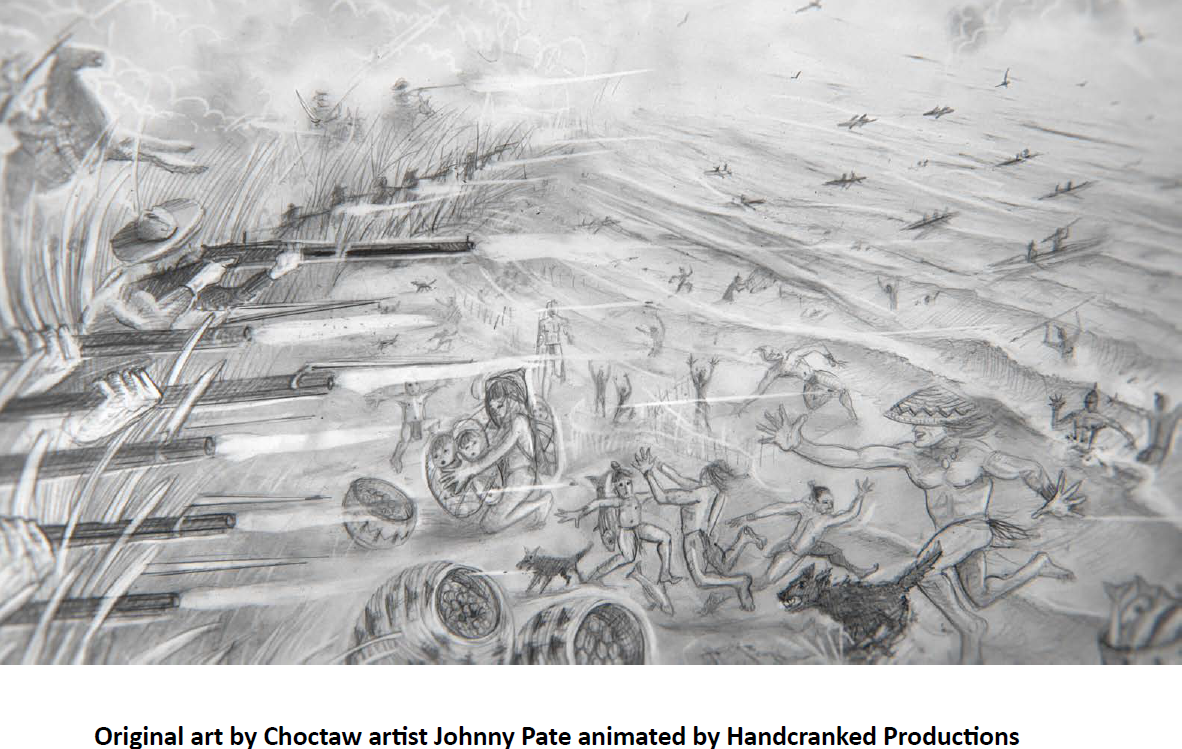
historical lands include a beautiful stretch of coastal Sonoma County, approximately 80 miles north of the San Francisco Bay. Their thousands of years of habitation in the region are disrupted in the 19th century by two very different interactions with white seVlers. The first is a comparatively peaceful 29-year period of co-existence and cultural mixing with a small Russian contingent at what is now called Fort Ross: A California State Park. The second is a bloody and tragic engagement with American settlers who eventually drive them off their coastal homeland.
What makes this story unique is the Kashia’s recent successes in repatriating lost lands as well as their unusual relationship with the Russians, with whom they maintain a sovereign treaty.
These two threads seem unrelated yet they are deeply connected in the metaphysical Kashia worldview through events that are at the heart of the Coming Home story.
Coming Home tells two stories in parallel timelines. The first is the contemporary story of the Kashia’s successful efforts to repatriate lands “stolen” from them in the 19th century and ongoing attempts to connect with family members descended from the women who sailed to Russia at the end of the Russian colonial enterprise. The second is the historical story of the Kashia and the tribe’s relationships with European colonists and settlers that led to their long exile from their coastal homeland. Coming Home weaves these threads through a combination of direct observational photography, interviews, archival materials, animation and evocative recreations.
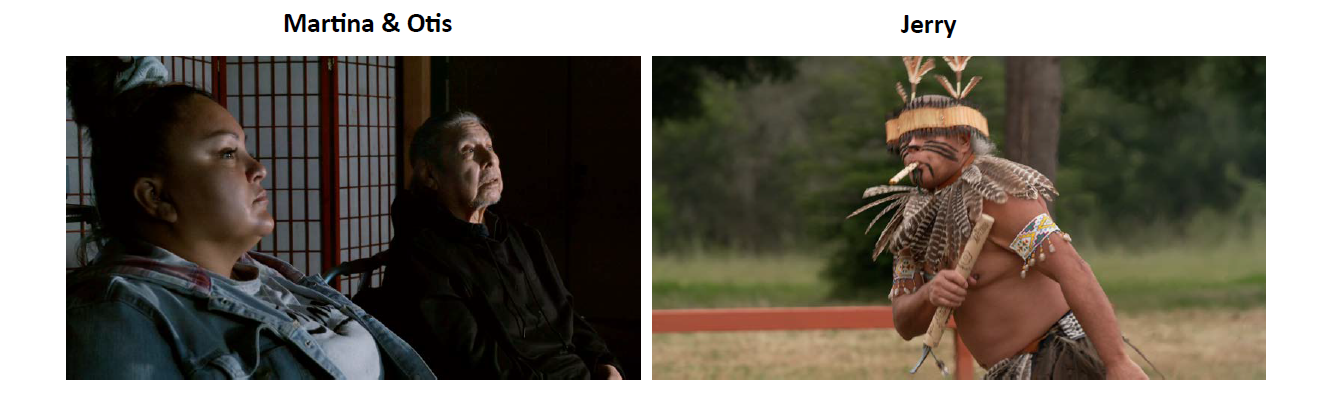
The film’s narrative is provided by the Kashia in their own voices. Shot by the filmmakers as an “epic” over a 14 year period beginning in 2012, it is framed around key events that lead to the land’s return. Early in the story, Reno Franklin, the young leader of the Kashia Pomo tribe receives a phone call from a local ranch family asking if the Kashia would be interested in purchasing nearly 700 acres of their ancestral lands. Four years later, an official visit from Russian delegates to their former colonial outpost rekindled the Kashia’s historical relationship with that nation. Subsequent visits by Kashia tribe members and a UC Berkeley anthropologist to the Kunstkamera anthropological museum in St. Petersburg, Russia turns-up four seeds preserved from the 1800s hidden in a Kashia reed basket.
The next event is the negotiations among multiple parties that resulted in the return of historical Kashia land near Stewart’s Point, California. These remarkable events spark a revitalization of traditional culture for tribe members that had struggled to find their footing after losing their homeland 170 years earlier.
What is ongoing is the effort to find lost family members in Russia and reintegrate the newly acquired lands into contemporary Kashia life. The backstory of the Kashia’s short but eventful history with the Russian seVlement at Fort Ross and their longer struggle with the white mainstream culture of California is woven appropriately into the contemporary narrative.
This film is largely about the Kashia achieving a long-held dream through their own agency. We also present the voices of the Kashia in their language. The film invites viewers to see the world as they do. Visually, our primary assets are original photography shot by the filmmakers including Daniel Golding, J. Mitchell Johnson, and noted cinematographer Bob Elfstrom, consisting of interviews and verité style footage of the Kashia in a variety of activities: ceremonies, meetings, traveling to Russia, etc.
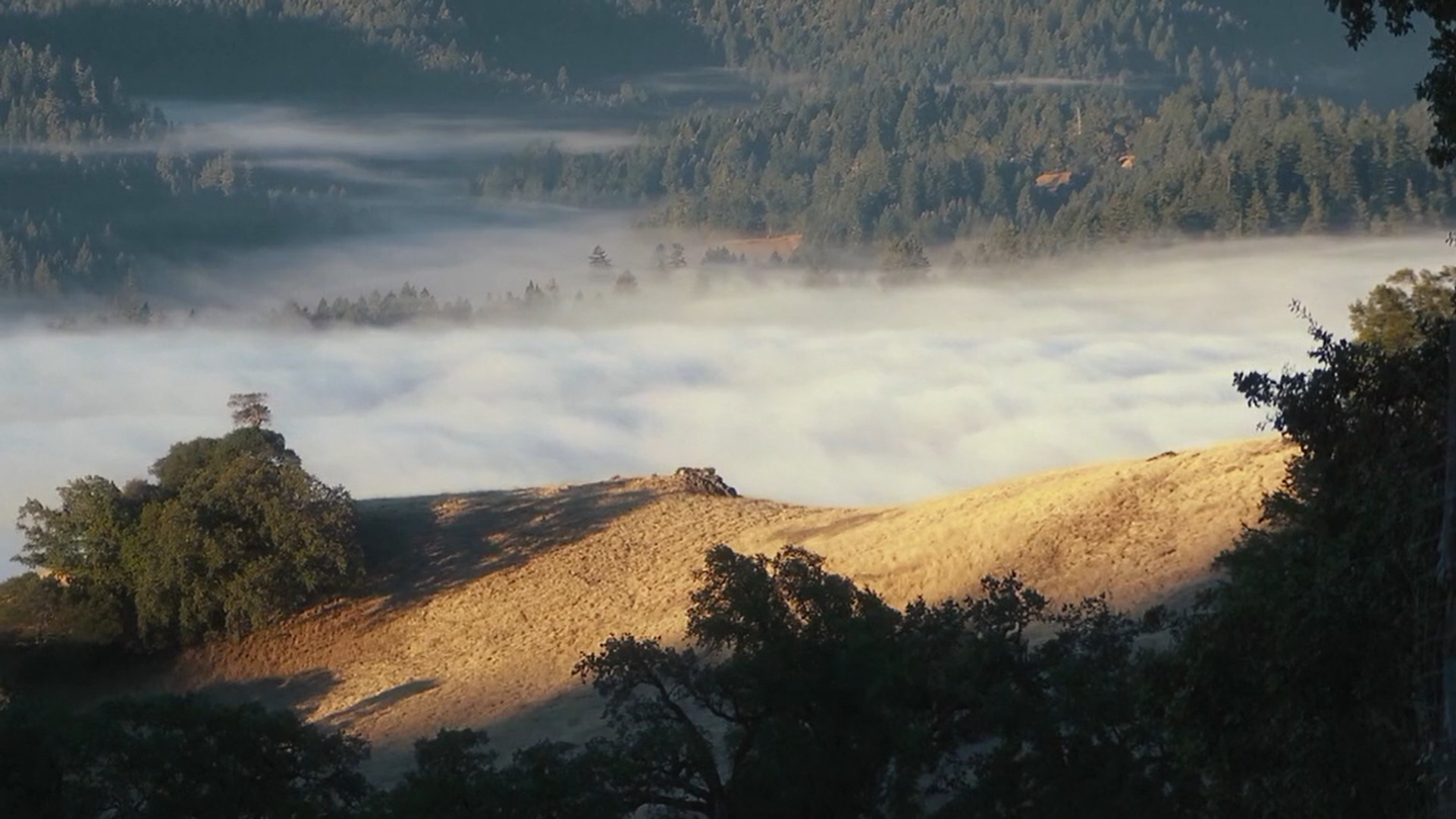
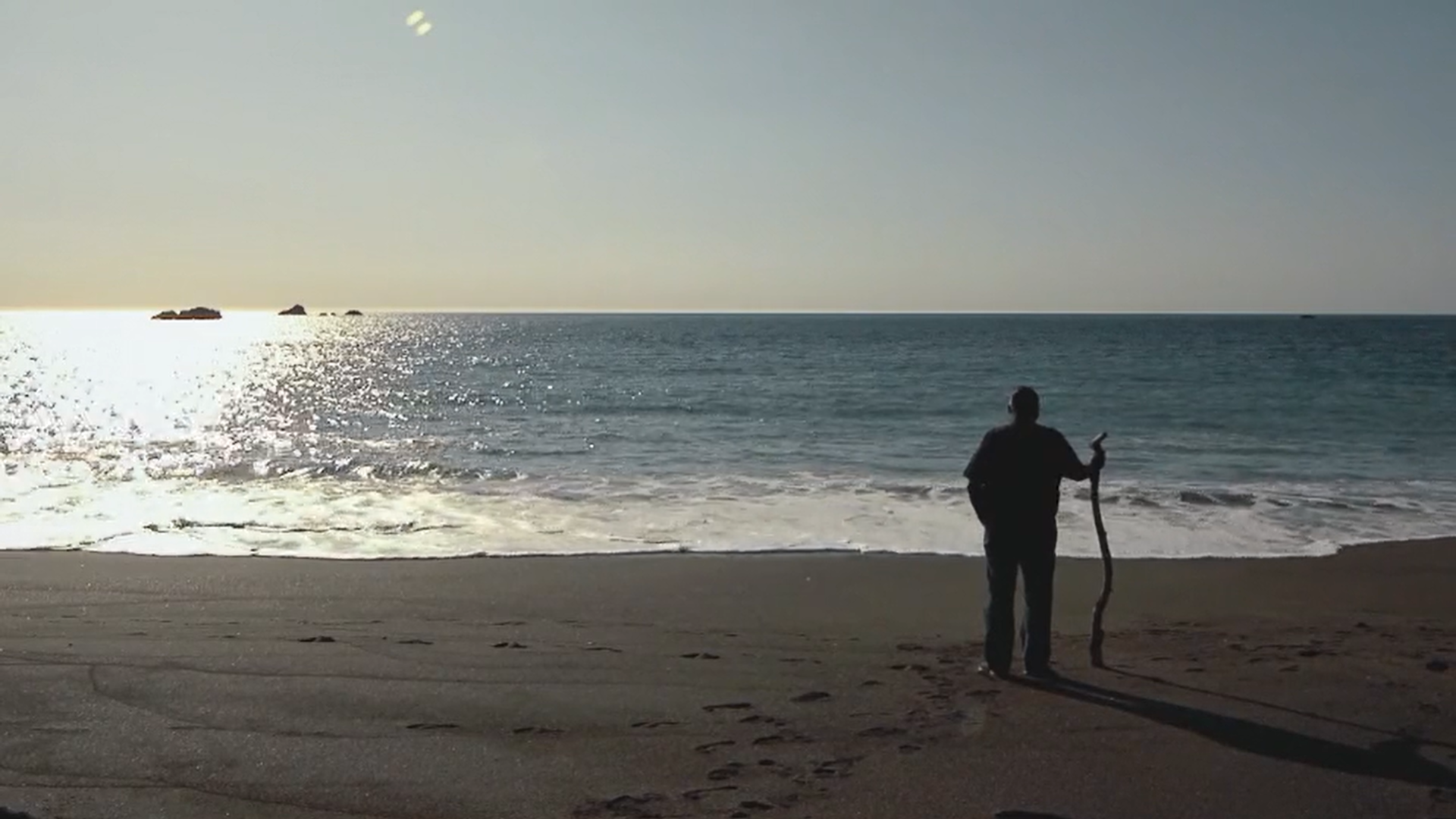
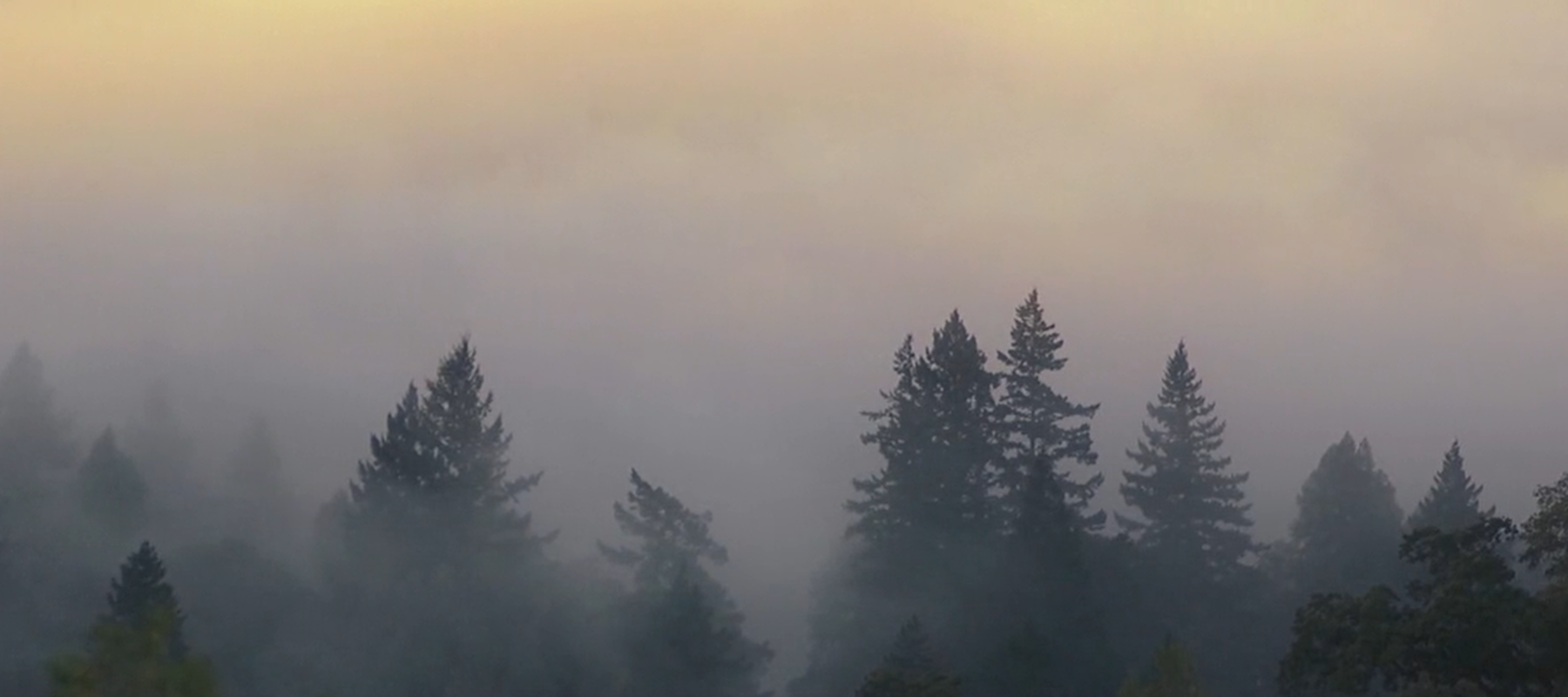
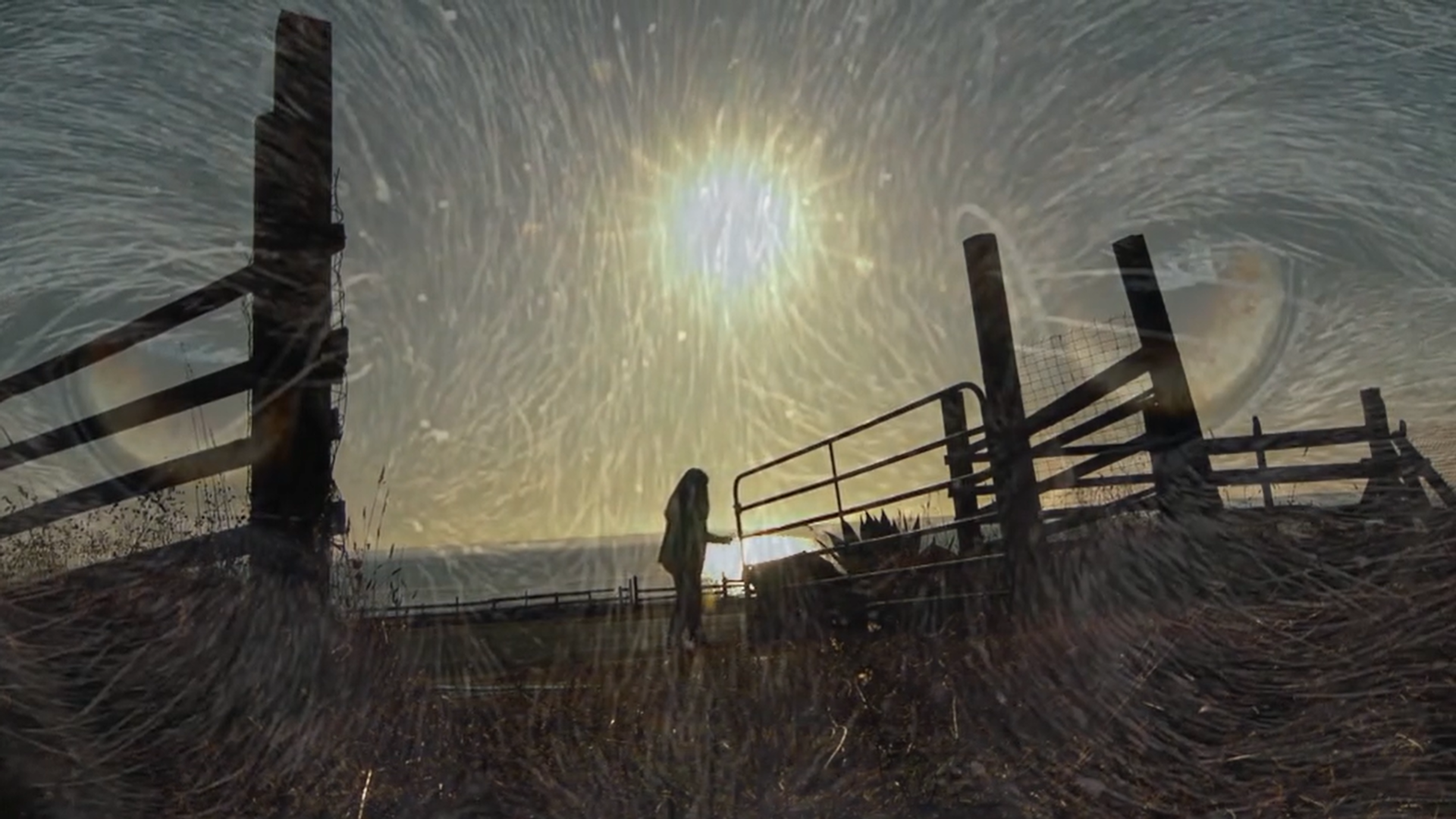
The spectacular northern California Pacific coast and mighty redwood forests serve as the selng but it is also a character in the story. It is a diverse and changeable landscape, affected by infinite factors of light and weather, sun and fog. We return to it regularly as its many aspects and moods reflect, heighten, and symbolize the emo<onal turns of our story. Our secondary selng is St. Petersburg and other places visited by the tribe in Russia. The contrasts of these places with the Sonoma Coast make for a drama<c effect using conven<onal camerawork and drone photography.
Exclusive archival films and photographs, maps and original drawings combine to convey informa<on about historical events, especially those in the more recent past.